
Home Maintenance Tips and Troubleshooting: Diagnosing Late-Summer AC Fatigue
Whitescarver Engineering
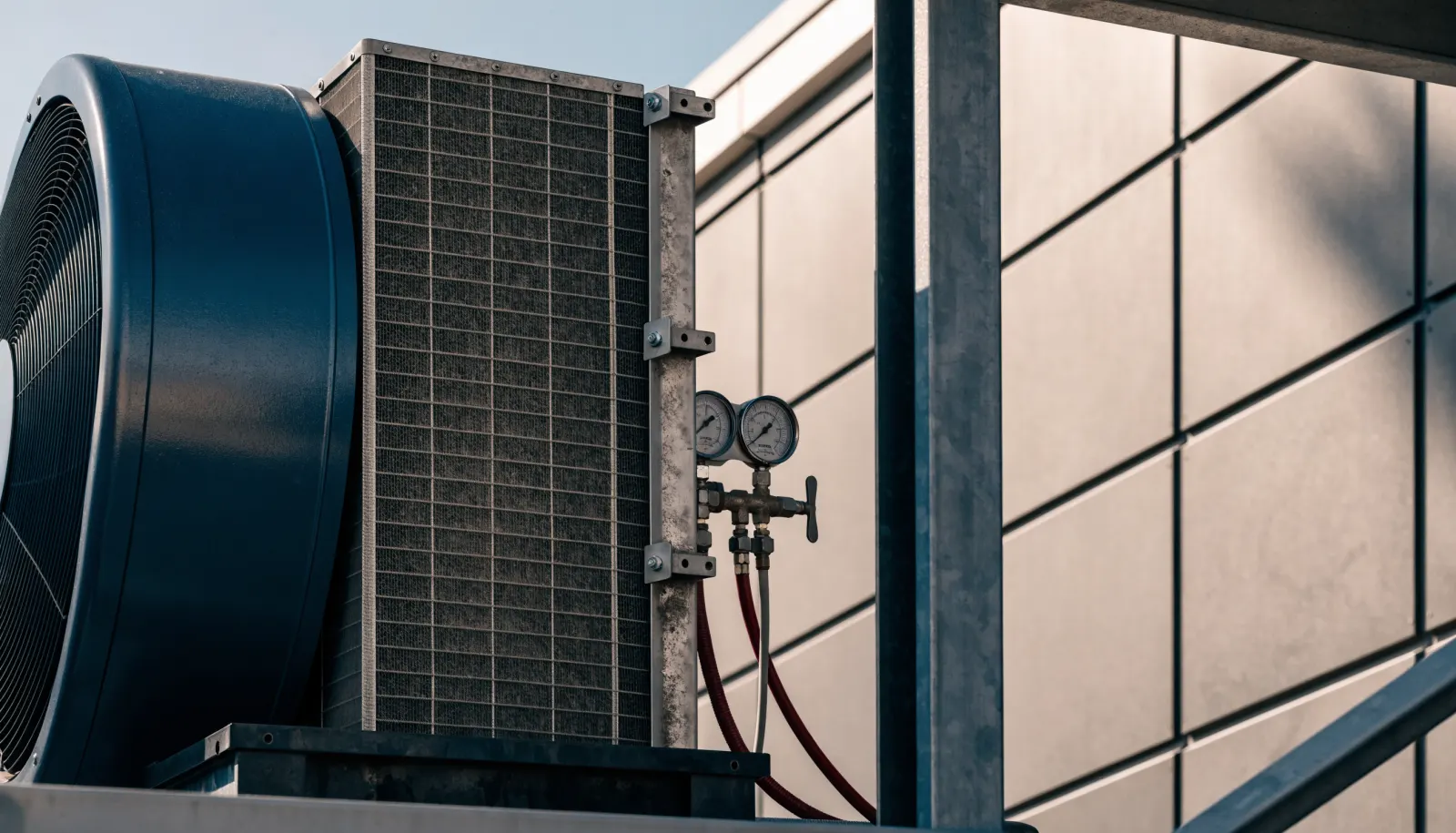
Why Is Your AC Running Constantly Without Cooling Your Home?
Is your air conditioner running non-stop, but your house still feels uncomfortably warm? Applying proper home maintenance tips and troubleshooting early on can help you accurately diagnose whether your system is simply fatigued by the intense late-summer August heat or suffering from a genuine mechanical failure. At this stage of the year, your system has likely been operating continuously for months, accumulating wear, dust, and minor inefficiencies that suddenly compound on the hottest days.
The core decision you face right now is determining whether this performance drop requires a simple, safe homeowner-level intervention—like replacing a deeply clogged filter—or a licensed professional diagnosis to prevent permanent compressor damage. The physics of heat transfer remain the same regardless of the equipment size. In fact, the thermodynamic principles governing your residential air conditioner are identical to those used in massive commercial cooling applications. While residential systems are smaller, they operate under the exact same physical laws of pressure and temperature.
Explore our resources: Learn more about the fundamentals of commercial HVAC systems or discover your options for commercial HVAC replacement in Roanoke.
Setting the right expectations for your cooling equipment is the first step toward resolving the issue. An air conditioner that runs continuously is working incredibly hard to reject heat from your living space. If that effort isn't translating into a cooler home, something in the thermodynamic chain is broken. Accurate troubleshooting prevents minor, expected fatigue from snowballing into a catastrophic end-of-season breakdown.
Latent vs. Sensible Heat: The Thermodynamics of High Humidity
To understand why your system might be struggling, you have to look beyond the number on your thermostat. Air conditioning systems manage two completely different types of heat loads: sensible heat and latent heat. Sensible heat is the actual temperature of the air in the room—the degree measurement you see on the wall. Latent heat, on the other hand, refers to the thermal energy stored in airborne moisture. In other words, latent heat is humidity.
When the hot, humid weather settles into the Roanoke Valley, it creates massive latent heat loads inside your home. The system forces warm, humid indoor air over the freezing-cold evaporator coil, causing the moisture to condense into liquid water and drain away. Only after the air is sufficiently dehumidified will the sensible temperature begin to fall.
This is where applying commercial-grade engineering diagnostic logic changes how you view your home's system. In heavy-duty applications, engineers use industrial process chillers to manage immense thermodynamic loads, and they calculate latent heat removal as a major part of the energy equation. The exact same logic applies to your living room. A system running constantly during a humid heatwave might not be broken at all. It may simply be battling excessive latent heat, operating at maximum capacity just to keep the indoor air dry enough to feel comfortable.
The thermodynamic reality:
- High humidity days: Up to 50% of your system's cooling capacity is consumed entirely by dehumidification.
- Dry heat days: The vast majority of the system's energy goes directly toward lowering the room temperature.
- System sizing: An undersized system will run endlessly trying to clear humidity, while an oversized system will cool the sensible temperature too fast, shutting off before it can properly remove the latent moisture.
Safe Home Maintenance Tips and Troubleshooting Steps
Before assuming your compressor has failed or your refrigerant has leaked out, there are several safe, homeowner-level checks you should perform. Addressing these simple variables can sometimes restore full functionality without requiring a service call.
Here is a step-by-step diagnostic checklist you can safely execute:
- Check your thermostat fan settings: Verify that your thermostat fan is set to "AUTO" rather than "ON." When the fan is set to "ON," it blows continuously, even when the outdoor compressor cycles off. This circulates uncooled air throughout the house and can actually re-evaporate moisture sitting on the indoor coil, blowing humidity right back into your living space.
- Inspect and replace dirty air filters: This is the single most common cause of system fatigue. According to the U.S. Department of Energy, replacing a dirty, clogged filter with a clean one can lower your air conditioner's energy consumption by 5% to 15%. A clogged filter chokes the blower motor, severely reducing the volume of cold air making it into your ductwork.
- Clear exterior debris from the condenser: Walk outside and inspect the outdoor unit. The condenser's job is to reject the heat collected from inside your home into the outdoor air. If the metal fins are choked with grass clippings, dirt, leaves, or overgrown shrubs, the heat cannot escape. The system will run constantly, building up extreme internal pressures while failing to cool the house.
- Verify circuit breakers and power switches: Check your main electrical panel to ensure the breaker for the AC hasn't tripped. Also, check the physical disconnect switch near the outdoor unit. Important safety note: If a breaker has tripped, you can reset it once. If it trips a second time immediately after resetting, stop. A repeatedly tripping breaker indicates a serious electrical short or a locked-up compressor motor. Do not continually reset it, as this can cause an electrical fire.
Expected System Fatigue vs. Mechanical Failure
As the cooling season progresses, distinguishing between normal cumulative wear and a genuine mechanical breakdown becomes critical. Systems in the Roanoke Valley work incredibly hard from May through September, and they are highly vulnerable to sudden failures if minor fatigue is ignored.
Expected fatigue usually develops slowly. You might notice the house takes an extra hour to cool down in the afternoon, or the airflow from the vents feels slightly weaker than it did in June. Mechanical failure, conversely, is often abrupt. The system goes from working adequately to blowing completely warm air, or making aggressive, unnatural noises.
| Diagnostic Symptom | Expected Late-Summer Fatigue | Potential Mechanical Failure |
|---|---|---|
| Airflow Volume | Gradually reduced airflow due to dust buildup on the filter or minor coil fouling. | Zero airflow from vents, indicating a failed blower motor or completely frozen coil. |
| Condensate Drainage | Steady, normal dripping from the outdoor drain pipe during heavy operation. | Water backing up, overflowing drain pans, or triggering emergency shut-off switches. |
| System Noises | Standard hum of the compressor and whoosh of the blower fan. | Hissing sounds near the refrigerant lines, heavy grinding, or loud metallic banging. |
| Cooling Output | Struggling to maintain 70 degrees during peak afternoon humidity. | Blowing unconditioned, warm air continuously regardless of the thermostat setting. |
Understanding this side-by-side diagnostic framework helps you assess the severity of the situation. If your system exhibits signs of expected fatigue, a thorough professional tune-up can usually restore its efficiency. If you observe the signs of mechanical failure, shutting the system down immediately is the safest course of action to prevent further damage.
Expected System Fatigue vs. Mechanical Failure
Understanding the difference between normal late-summer wear and a genuine breakdown.
Fatigue: Reduced airflow from dirty filters.
Failure: No airflow indicating blower motor failure or frozen coils.
Fatigue: Normal, steady dripping outside.
Failure: Overflowing pans triggering safety shut-offs.
Safe DIY checks include verifying thermostat settings and changing filters. Hissing sounds, warm air, or electrical issues require immediate professional diagnostics.
The Dangers of DIY Refrigerant and Coil Diagnostics
While changing filters and clearing leaves are safe and necessary tasks, there is a strict boundary where homeowner troubleshooting must end and professional diagnostics must begin. The internal mechanical and chemical components of your air conditioner are highly pressurized and potentially dangerous.
Checking refrigerant pressures requires specialized manifold gauges, EPA Section 608 certification, and strict safety protocols to prevent frostbite, chemical inhalation, or environmental contamination. Just as commercial HVAC maintenance requires licensed technicians for handling high-pressure components, residential cooling systems demand the exact same level of professional respect. The refrigerant circulating through your system operates at hundreds of pounds of pressure per square inch. Attempting to tap into these lines without proper training is incredibly hazardous.
Avoid store-bought "DIY refrigerant top-off kits." Air conditioners do not consume refrigerant like a car consumes oil. It is a closed-loop system. If your system is low on refrigerant, it means there is a physical leak that must be located, brazed, and sealed. Blindly dumping store-bought refrigerant into the system often leads to over-pressurization, which can instantaneously destroy the compressor—turning a manageable repair into a total system replacement.
Similarly, attempting to deep-clean the indoor evaporator coil yourself carries significant risk. The aluminum fins on the coil are paper-thin and easily crushed. Using the wrong brush or chemical cleaner can permanently flatten the fins, blocking airflow entirely, or worse, puncture the copper tubing and release all the refrigerant into your home.
Addressing End-of-Season Airflow Restrictions
By the time late-summer August arrives in the Roanoke Valley, your system has processed millions of cubic feet of air and hundreds of gallons of condensation. This continuous operation leads to specific cumulative wear issues that severely restrict airflow and system performance.
Airflow engineering principles remain remarkably consistent across all mechanical cooling systems. Whether an engineer is evaluating a residential split system or comparing a chiller vs rooftop unit vs VRF for a massive facility, the requirement for unobstructed airflow over a heat exchanger is absolute. When that airflow is restricted, the physics of the system collapse, leading to two major end-of-season failures.
Clogged Condensate Lines
Your air conditioner's indoor coil is dark, damp, and cold—creating the ideal environment for organic growth. Over months of continuous moisture removal, algae, mold, and biological slime can build up inside the PVC condensate drain line. Eventually, this sludge forms a complete blockage.
When the water can no longer drain outside, it backs up into the primary drain pan beneath the indoor unit. Modern systems are equipped with safety float switches. When the water level rises too high, the switch trips and completely shuts down the outdoor compressor to prevent your ceiling or floors from flooding. If your thermostat is blank or the outdoor unit refuses to turn on, a clogged drain line is often the culprit.
Frozen Evaporator Coils
It seems counterintuitive that an air conditioner could freeze solid during the hottest days of the year, but it is a very common late-summer failure. The evaporator coil gets extremely cold. It relies on a constant flow of warm return air from your house blowing over it to keep it above the freezing point.
If airflow is restricted—due to a deeply clogged filter, a failing blower motor, or crushed coil fins—the warm air never reaches the coil. The condensation sitting on the metal drops below freezing and turns to ice. This ice acts as an insulator, completely halting the cooling process. The compressor outside continues to run endlessly, pumping refrigerant into a block of ice, which can eventually cause liquid refrigerant to slug back to the compressor and destroy it. Professional remediation involves safely thawing the system and clearing the deep line blockages to restore proper static pressure.
Frequently Asked Questions About Late-Summer AC Performance
Why is my AC running constantly but not cooling?
A system running constantly without cooling indicates a breakdown in the heat transfer process. This usually points to restricted airflow from a clogged filter, a dirty outdoor condenser coil unable to reject heat, or a refrigerant leak that has diminished the system's cooling capacity. In late-summer August, high humidity can also force the system to run continuously just to dehumidify the air before it can lower the temperature.
What AC maintenance can a homeowner do safely?
Homeowners can safely manage basic airflow and power checks. This includes replacing the indoor air filter every 30 to 90 days, keeping the outdoor condenser unit clear of leaves and debris, and ensuring the thermostat is set correctly to "AUTO." Any maintenance involving the electrical cabinet, blower motor, or refrigerant lines must be left to a licensed professional.
When should I call an HVAC technician for AC repair?
Additionally, if you have changed your filter and checked your breakers but the system still cannot maintain the set temperature after several hours, professional diagnostics are required.
How does high humidity impact my air conditioner's cooling capacity?
High humidity forces your air conditioner to work twice as hard. The system must remove the latent heat (moisture) from the indoor air before it can effectively lower the sensible heat (temperature). On heavily humid days, a significant portion of your system's energy goes entirely toward dehumidification, making it feel like the cooling process has slowed down.
Why do AC coils freeze when it is hot outside?
Coils freeze due to a lack of warm airflow over the indoor evaporator coil, or due to low refrigerant levels causing a pressure drop that forces the coil temperature below freezing. When the warm air from your home is blocked by a dirty filter or a failing fan, the normal condensation on the icy metal freezes solid, creating a block of ice that stops all cooling.
Making the Right Call for Your Cooling System
Navigating late-summer AC fatigue requires a clear understanding of what your system is experiencing. While basic troubleshooting like swapping out a filthy air filter or clearing debris from the outdoor unit can solve simple airflow restrictions, genuine mechanical failures require expert diagnostics. The intense heat of the Roanoke Valley leaves little room for error, and ignoring the signs of a struggling system often leads to much larger, more complex repairs down the road.
If you have run through the safe homeowner checks and your system is still failing to keep you comfortable, it is time to seek a professional evaluation. A licensed technician will bring the necessary tools and engineering knowledge to accurately measure pressures, test electrical loads, and restore your system's efficiency safely. Whether you need a simple coil cleaning or are considering a complete commercial HVAC replacement in Roanoke, a professionally grounded diagnosis will provide the definitive answers you need to restore cooling to your space.
Facility intake
Need Help?
Tell us what facility, system, or maintenance risk needs attention so the first conversation starts with useful context.
About the Author
Whitescarver Engineering
Related Posts
- Beyond the Seasonal Home Maintenance Checklist: Diagnosing Late-Summer AC Fatigue
- Late-Summer AC Fatigue vs. Mechanical Failure: A Roanoke Troubleshooting Guide
- Seasonal Home Maintenance Checklist: Surviving Late-Summer HVAC Fatigue in Roanoke
- Home Maintenance Tips and Troubleshooting for Late-Summer HVAC Fatigue
- Home Maintenance Tips and Troubleshooting: Deciding Between DIY and Pro AC Repair in Late Summer
Related service: Repairs and Retrofits
Related Articles
Engineering-led support
Ready to Get Started?
Whether you need a repair, maintenance, or a new installation, our expert team is here to help.