
HVAC Optimization for Roanoke Emergencies
Whitescarver Engineering
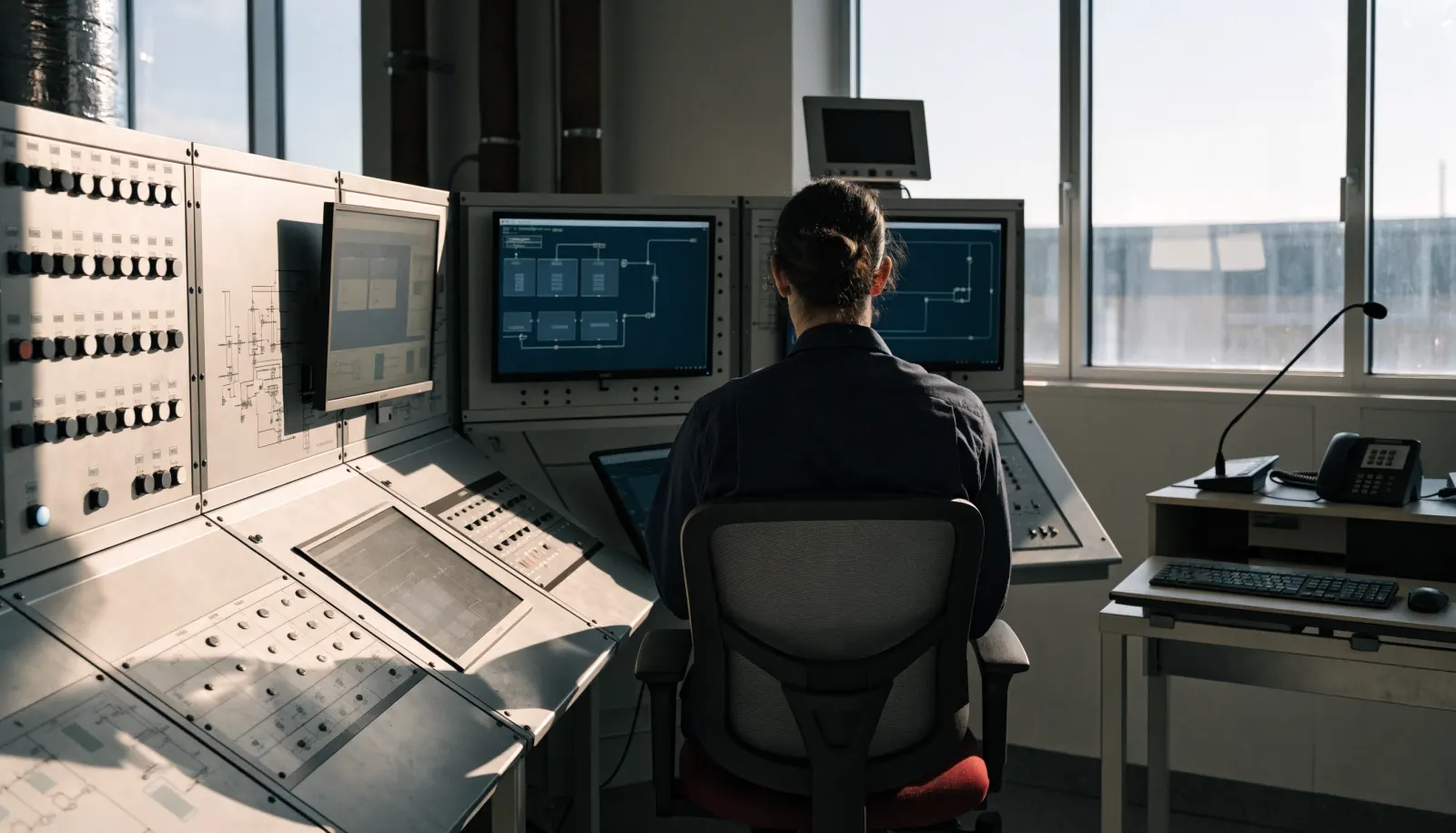

Roanoke is a beautiful place to live and work, but our weather is anything but predictable. We experience a true four-season climate, which means our heating and cooling systems never truly get a "season off." The high humidity levels during our humid subtropical summers create a massive latent load on air conditioners. This moisture doesn't just make you feel sticky; it forces your HVAC system to work twice as hard to wring water out of the air while simultaneously lowering the temperature.
When the temperature swings from a balmy 60 degrees to a freezing 20 degrees in a single week—as it often does in the Roanoke Valley—your system undergoes thermal stress. Components expand and contract, and lubricants thicken. This peak season stress is exactly when most systems fail.
Operational downtime in a commercial setting can be catastrophic. Whether you are managing a retail space in Tanglewood or a medical facility near Carilion, a loss of climate control affects equipment longevity and employee productivity. For a deeper look at how these systems are structured locally, our Commercial HVAC Roanoke VA Guide provides excellent context on regional infrastructure.

When the air stops flowing or the "Service" light starts blinking, panic is your worst enemy. There are several steps you can take to stabilize the situation and prepare the system for recovery.
Check the Breakers: Sometimes a simple power surge during a Roanoke thunderstorm can trip a circuit. Ensure the system has power before assuming a mechanical failure.
Inspect the Filters: A completely clogged filter can cause a system to "slug" or freeze up. If the filter is black with dust, replace it immediately.
Thermostat Calibration: Ensure the thermostat is actually calling for Stage 1 or Stage 2 cooling/heating. Sometimes a dead battery or a loose wire in the sub-base is the only culprit.
Clear the Area: Ensure the outdoor condenser unit isn't buried under autumn leaves or blocked by debris. Airflow is the lifeblood of optimization.
Feature | Residential Emergency | Commercial/Industrial Emergency |
|---|---|---|
Primary Goal | Occupant comfort and safety | Product preservation and operational uptime |
System Type | Split systems or Heat Pumps | RTUs, Chillers, Boilers, VRF |
Optimization Focus | Airflow and thermostat accuracy | Refrigerant levels and motor efficiency |
Impact of Failure | Personal discomfort | Potential revenue loss and equipment damage |
Key Techniques for Restoring System Efficiency
Restoring a system to its factory-spec efficiency during an emergency requires a systematic approach. We don't just "gas it up" with refrigerant and leave. True optimization involves looking at the system as a holistic machine.
Coil Cleaning: In Roanoke, pollen and urban dust can coat condenser coils, acting as an insulator that prevents heat exchange. Cleaning these coils can immediately drop head pressure and reduce energy consumption.
Refrigerant Charge: We use digital manifolds to ensure the subcooling and superheat are exactly where the manufacturer intended. An overcharged system is just as dangerous and inefficient as an undercharged one.
Airflow Balancing: If one part of your building is a sauna while the other is a walk-in freezer, your system is fighting itself. We check dampers and blower speeds to ensure even distribution.
Motor Optimization: We inspect bearings and sheaves. A worn belt or a dry
bearing adds friction, which translates to wasted electricity and heat.

Our team specializes in Systems Repairs & Retrofits, ensuring that even older units can be brought back to a state of reliable service.
Restoring Efficiency through HVAC System Optimization in Roanoke, VA
Energy conservation is often the last thing on a business owner's mind during a crisis, but it should be the first. A system that is struggling to run will consume significantly more power, leading to a "double hit" of repair costs and high utility bills. By performing component calibration—adjusting expansion valves and checking sensor accuracy—we reduce the overall load on the compressor. If your system is beyond its useful life, we often discuss High-Efficiency System Upgrades in Roanoke VA as a long-term solution to prevent future emergencies.
Diagnostics for Commercial Systems
In a commercial environment, we can't afford to guess. We utilize advanced diagnostic software to "talk" to the system's control board. This allows us to see historical fault codes and sensor readings that might not be apparent during a visual inspection.
Electrical Continuity: We check contactors and relays for pitting or carbon buildup.
Sensor Testing: A faulty thermistor can tell the system the outside air is 100 degrees when it’s actually 70, causing the system to overwork.
Refrigerant Leak Detection: Using electronic "sniffers," we find the source of the problem rather than just treating the symptom. This is a core part of maintaining Commercial HVAC Systems.
Commercial vs. Residential Optimization Strategies
The scale of a commercial system in Roanoke demands a more rigorous optimization strategy than a standard home unit. While a residential unit might focus on comfort, a commercial system often supports critical infrastructure. For example, a grocery store or a pharmaceutical warehouse in the Roanoke Valley relies on refrigeration to prevent massive product loss.
In these settings, Engineering Design plays a massive role. A poorly designed duct system can lead to static pressure issues that burn out motors prematurely. When we optimize these systems, we look at the Business HVAC System Design Roanoke Guide principles to ensure the repair aligns with the building's actual usage patterns.
Advanced IAQ and ERV Integration
Indoor Air Quality (IAQ) is a major factor in post-emergency recovery. If a system has been down for several days, humidity can lead to mold spores or a "musty" smell. We often integrate Energy Recovery Ventilators (ERVs) to help. These systems exchange stale indoor air with fresh, filtered outdoor air while recovering the energy used to heat or cool it. This is a key component of Energy Conservation, as it allows for fresh air without forcing the main HVAC unit to work overtime to treat it.
Future-Proofing to Prevent HVAC Failures
The best emergency is the one that never happens. Future-proofing your Roanoke facility involves moving from reactive "break-fix" mentalities to proactive asset management.
Smart Controls: Modern thermostats and Building Automation Systems (BAS) can alert you to a problem before the temperature even starts to rise.
Predictive Monitoring: By tracking energy spikes or vibration patterns in motors, we can predict a failure weeks in advance.
Seasonal Tune-ups: Scheduling a visit before the summer humidity hits is the most effective way to ensure your system is ready for the workload.
Frequently Asked Questions about Roanoke HVAC Services
How does HVAC system optimization in Roanoke, VA improve IAQ?
Optimization involves cleaning the "airstream" components—the coils, blowers, and filters. Proper HVAC System Design in Roanoke VA ensures that even after a failure, the system can quickly scrub the air and balance humidity.
Conclusion
Don't let a system failure disrupt your business or home.
Facility intake
Need Help?
Tell us what facility, system, or maintenance risk needs attention so the first conversation starts with useful context.
About the Author
Whitescarver Engineering
Related Posts
- Commercial HVAC System Optimization in Roanoke VA: A Manager's Guide
- The Reality of Sourcing HVAC Replacement Parts in Roanoke Before the Winter Rush
- Cutting Commercial HVAC Energy Use in Roanoke Valley Facilities with Modern Building Automation
- An Essential Guide to How the Roanoke Valley Climate Impacts Commercial HVAC Sizing
- The Definitive Guide to Upgrade HVAC Without Replacement in Roanoke Valley
Related service: Commercial HVAC
Related Articles
Engineering-led support
Ready to Get Started?
Whether you need a repair, maintenance, or a new installation, our expert team is here to help.