
How Businesses Across Virginia Keep Commercial HVAC Running Through Extreme Seasons
Whitescarver Engineering
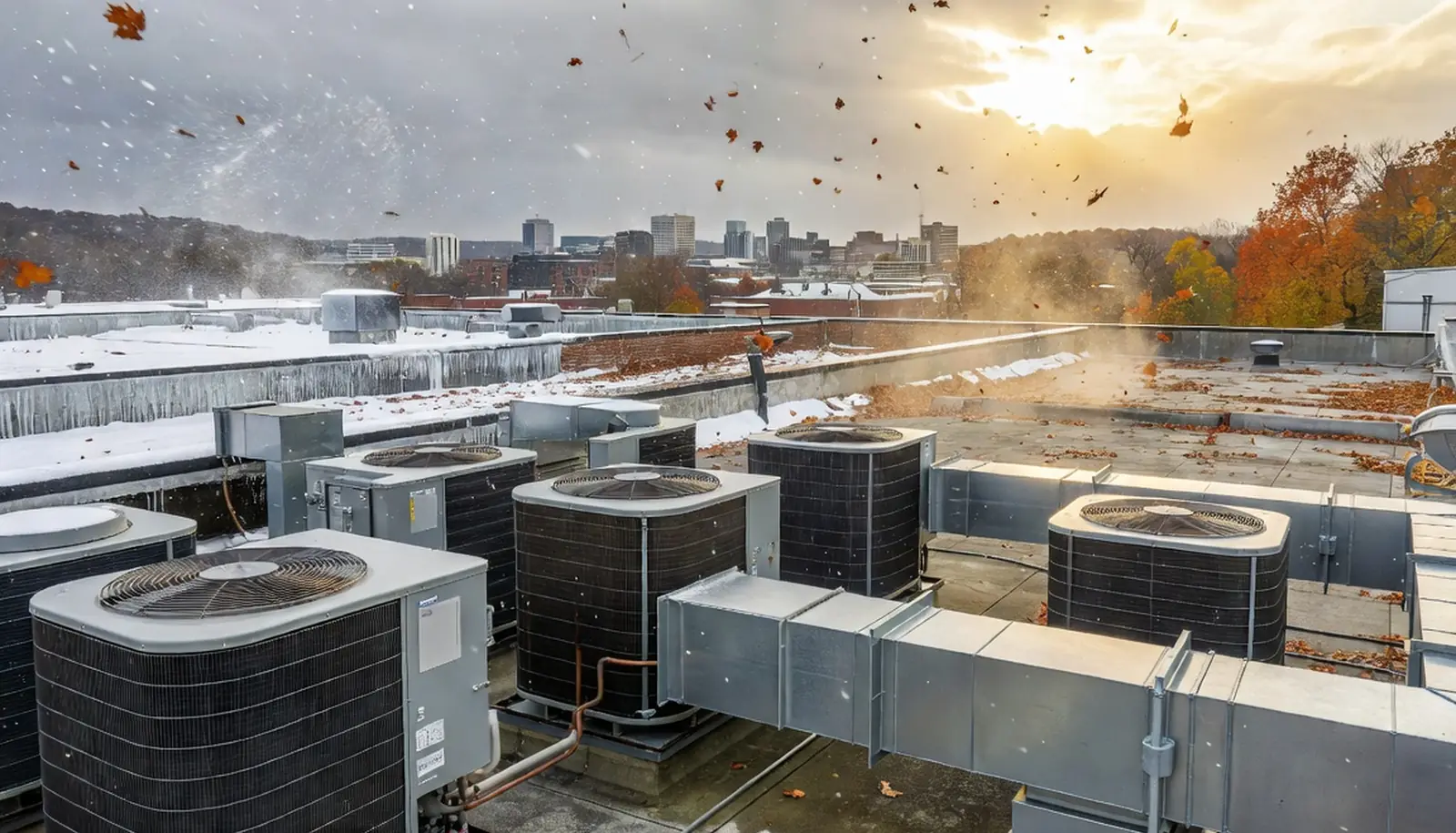
Protect Commercial HVAC Equipment Before Virginia's Seasons Change
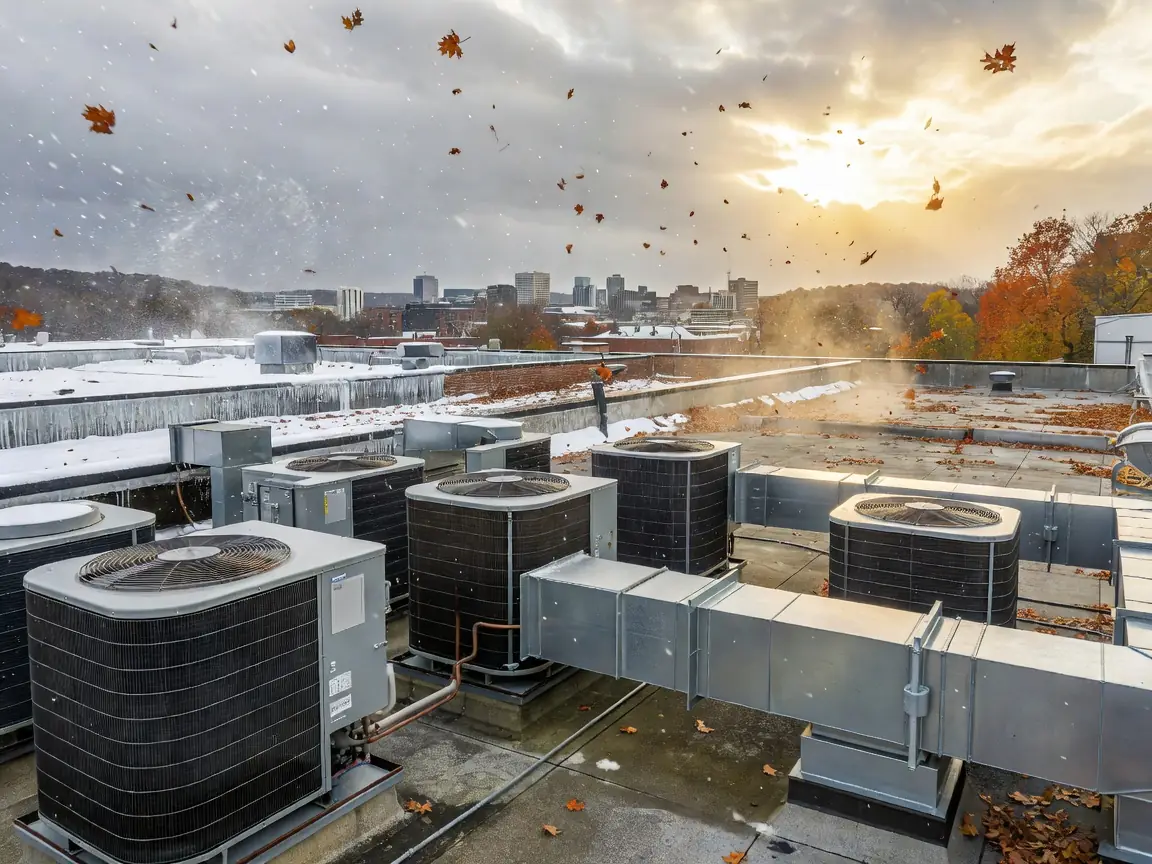
Virginia businesses can protect commercial HVAC equipment from seasonal stress by scheduling service before summer heat and winter cold arrive. Have a technician replace filters, clean coils, check airflow and electrical parts, and test cooling and heating controls. Before winter, inspect burners, heat exchangers, and freeze protection. Before summer, check refrigerant charge and condenser fans. Virginia's humid summers, freezing nights, and quick temperature swings can strain systems just when a building needs them most. A planned spring and fall check gives facility managers time to fix small problems before they disrupt operations.
Explore commercial HVAC systems or request seasonal service.
You can contact Whitescarver Engineering Co. to plan your next seasonal check.
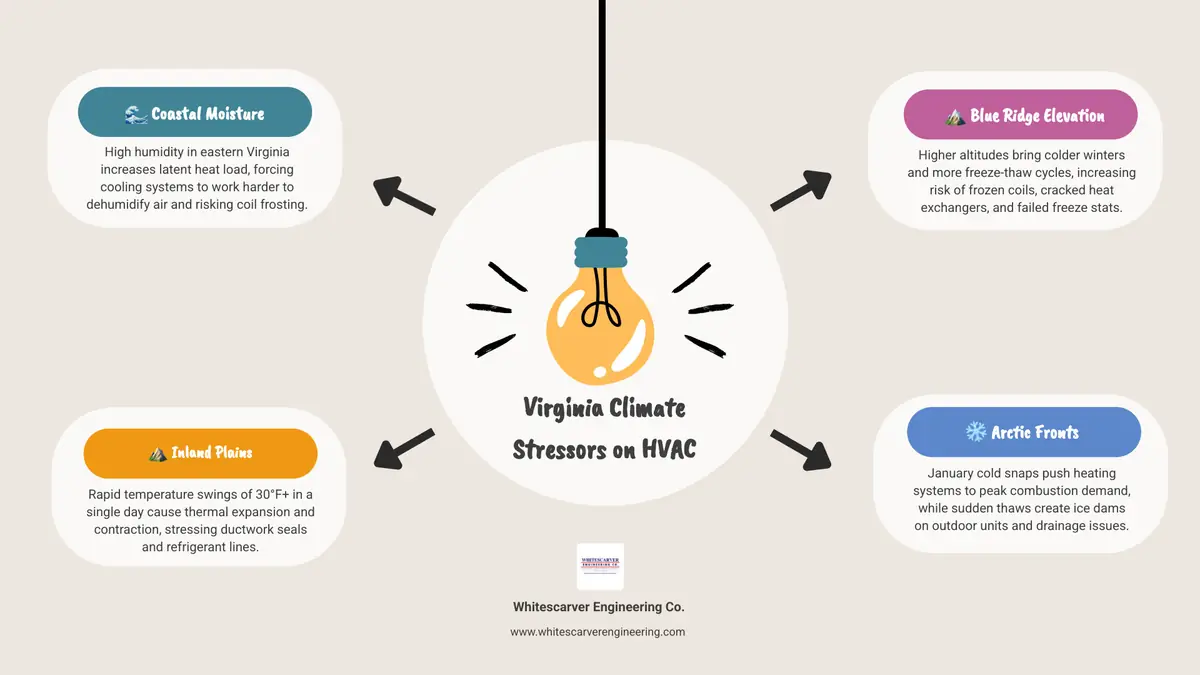
Virginia Climate Stressors on Commercial Heating and Cooling
Operating commercial facilities in Virginia presents unique engineering challenges. Our geographic footprint spans coastal moisture, inland plains, and the high-elevation terrain of the Blue Ridge and Roanoke Valley. Because of this dynamic environment, HVAC infrastructure faces constant environmental strain. Systems are asked to reject immense thermal loads during the peak of July and August, only to shift toward heavy combustion and heat-pump demands as freezing arctic fronts plunge across the Commonwealth in January.
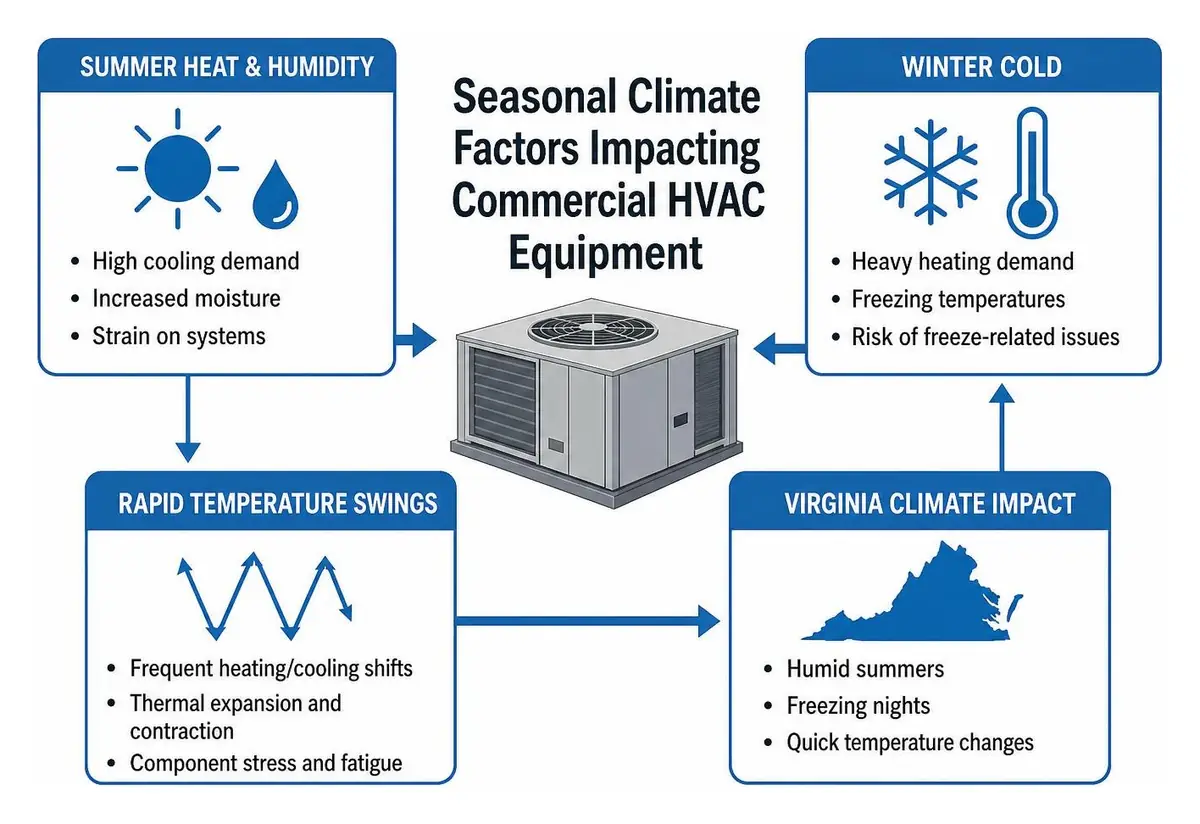
When evaluating how extreme weather affects commercial HVAC systems, the mechanical implications of these dramatic shifts become obvious. Repeated thermal expansion and contraction stress brazed joints, compressor seals, and structural framing. Over time, these dynamic thermal loads cause component fatigue, leading to micro-fissures in coils and premature wear on blower assemblies. Neglecting these climate-driven stresses leads to a 30% to 40% higher likelihood of system failure during peak temperature months, leaving facilities vulnerable when reliable heating or cooling is most critical.
Managing Temperature Fluctuations
Morning temperatures can start near freezing, necessitating substantial heating, before climbing into the 70s or 80s by mid-afternoon.
Managing the ins and outs of rapid temperature swings on Roanoke Valley HVAC requires precise calibration of building automation systems (BAS) and commercial thermostats. When systems abruptly pivot between heating and mechanical cooling:
- Economizer dampers cycle excessively, risking physical binding or mechanical failure.
- Compressors face short cycling, leading to electrical contactor pitting and oil return issues.
- Deadbands must be properly configured to prevent heating and cooling stages from fighting one another.
Without proactive controls testing, these sudden transitions cause significant energy waste and place excessive mechanical torque on variable frequency drives (VFDs) and compressor motors.
Handling High Humidity and Freezing Winter Weather
Virginia summers bring immense moisture loads that challenge commercial cooling infrastructure. Understanding how humidity in the Roanoke Valley stresses commercial cooling equipment is critical for preventing operational disruptions. In humid environments, a large portion of a cooling system's capacity is spent removing latent heat (moisture) rather than sensible heat (temperature). Evaporator coils operate near maximum moisture condensation thresholds, which can overwhelm condensate drain pans and promote biological growth if drainage systems are not meticulously maintained.
Conversely, winter introduces sub-freezing conditions that threaten outdoor equipment, cooling towers, and rooftop air handling units. Heat pumps operating in freezing temperatures must execute efficient defrost cycles to avoid ice buildup on outdoor coils. If defrost controls fail or sensors drift out of calibration, coil frosting quickly escalates into thick ice sheets that bend aluminum fins and damage fan blades. Simultaneously, chilled water loops and hydronic coils require validated freeze protection controls and proper glycol concentrations to prevent catastrophic pipe bursts during severe cold snaps.
What Virginia Businesses Can Do to Protect Commercial HVAC Equipment from Seasonal Stress
Maintaining peak operational continuity requires a structured, multi-season maintenance framework. Knowing what Virginia businesses can do to protect commercial HVAC equipment from seasonal stress starts with understanding how preventive actions mitigate the risks of extreme weather.
By implementing thorough seasonal protocols, facility managers can achieve up to 15% to 20% improvements in energy efficiency while lowering the risk of emergency breakdowns by up to 95%.
| Seasonal Transition | Primary Mechanical Stressors | Core Preventative Measures | Operational Impact |
|---|---|---|---|
| Spring to Summer | High ambient heat, heavy latent humidity, continuous compressor runtimes | Condenser coil deep cleaning, refrigerant subcooling/superheat checks, fan motor electrical testing | Minimizes high-head-pressure lockouts, drops energy consumption, ensures consistent humidity removal |
| Fall to Winter | Freezing ambient temperatures, combustion cycling, thermal contraction | Heat exchanger crack testing, burner alignment, flue draft inspection, freeze-stat verification | Prevents carbon monoxide leaks, eliminates winter no-heat emergencies, protects hydronic loops from freezing |
Taking proactive steps is fundamental to protecting commercial HVAC from severe weather, safeguarding both critical building operations and substantial capital investments.
What Virginia Businesses Can Do to Protect Commercial HVAC Equipment from Seasonal Stress Before Summer
Preparing commercial cooling systems before high ambient temperatures arrive ensures stable indoor temperatures during intense heat waves. A thorough summer startup requires more than a simple visual walk-through.
Facility teams focusing on how to prepare commercial HVAC for summer should prioritize:
- Condenser Coil Cleaning: Outdoor coils accumulate pollen, dust, and industrial debris throughout the spring. Dirty coils insulate the metal, preventing heat rejection, elevating operating pressures, and increasing compressor amp draws.
- Refrigerant Charge Verification: Technicians must evaluate operating superheat and subcooling rather than merely checking static pressures. Incorrect refrigerant charges can cause evaporator freeze-ups or thermal compressor overload during peak afternoon heat.
- Electrical Component Testing: Contactors, capacitors, and disconnect switches must be tested under load. Loose electrical connections expand under summer heat, leading to voltage drops and motor burnout.
- Condensate Drainage Flush: Drain lines, condensate traps, and secondary pan switches must be flushed and cleared of algae and sediment to avoid indoor water damage.
These pre-season measures are essential for navigating commercial HVAC challenges during heat waves, allowing industrial plants, data centers, and corporate facilities to maintain continuous cooling without unexpected thermal shutdowns.
What Virginia Businesses Can Do to Protect Commercial HVAC Equipment from Seasonal Stress Before Winter
As the heating season approaches, commercial facilities must ensure heating components operate safely and efficiently. Heating systems that sit idle during spring and summer require thorough safety testing before handling sustained winter loads.
Critical pre-winter procedures outlined in comprehensive spring and fall commercial HVAC transition checklists include:
- Heat Exchanger Integrity Inspection: Technicians should perform thorough inspections using combustion analyzers and camera probes to detect cracks or pinholes that could introduce combustion gases into the supply airstream.
- Burner Assembly and Ignition Cleaning: Gas burners must be cleared of oxidation, dust, and debris to ensure complete combustion, correct flame rectification, and steady pilot ignition.
- Flue Draft and Venting Verification: Proper exhaust drafting must be confirmed to eliminate backdraft risks and ensure exhaust blowers pull adequate negative pressure.
- Freeze-Stat and Damper Linkage Validation: Outdoor air intake dampers must close properly during unoccupied hours, and low-limit freeze thermostats (freeze-stats) must be tested to ensure they trip before sub-freezing air ruptures water coils.
Critical Preventive Maintenance Tasks to Prevent Seasonal Downtime
Unplanned downtime disrupts tenant operations, halts manufacturing processes, and damages temperature-sensitive products. Following a quick start guide to preventing equipment damage and downtime in Virginia allows facilities to spot developing failures before they impact business operations.
Critical preventive tasks include:
- Electrical Connection Torque Checks: Vibration and seasonal temperature swings cause screw terminals and lugs to loosen over time. Re-torquing connections to manufacturer specifications eliminates high-resistance hot spots that cause blown fuses and melted wiring harnesses.
- Airflow Balancing and Static Pressure Measurement: Ensuring supply and return duct systems operate within rated static pressure limits prevents premature blower motor failure and uneven temperature distribution throughout large facilities.
- Bearing Lubrication and Belt Alignment: Packaged rooftop units and large built-up air handlers require precise belt tensioning and lubrication of fan bearings to avoid seized shafts during continuous operation.
Air Quality Management and Filtration Upgrades
Air filtration directly affects both indoor air quality (IAQ) and mechanical efficiency. When filters become loaded with particulates, total external static pressure rises across the air handling unit. This restriction starves the system of air, forcing supply fans to work harder and increasing energy usage by 5% to 15%.
During seasonal transitions, high pollen counts in the spring and increased indoor air recirculation in the winter place heavy demands on filtration systems. Upgrading to properly sized, high-capacity pleated filters with appropriate MERV ratings protects sensitive evaporator coils and heating elements from dust buildup while maintaining low static pressure drops.
Securing Year-Round Protection with Maintenance Agreements
The most dependable way to maintain facility comfort and process stability is through a tailored commercial service agreement.
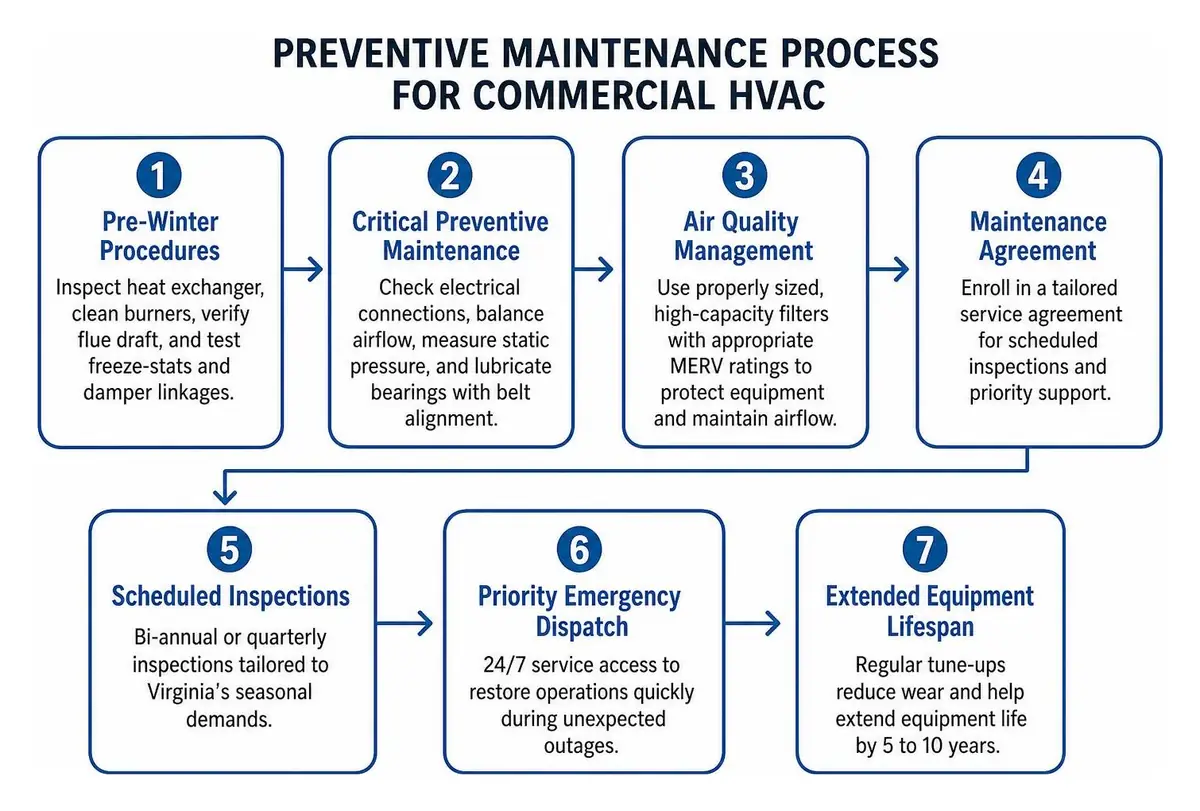
A comprehensive commercial maintenance agreement provides:
- Scheduled Bi-Annual or Quarterly Inspections: Custom-engineered maintenance protocols structured around Virginia's specific seasonal demands.
- Extended Equipment Lifespan: Consistent seasonal tune-ups reduce system wear, helping extend the operating lifespan of major commercial equipment by 5 to 10 years.
- Measurable Energy Cost Reductions: Clean coils, calibrated sensors, and optimized combustion parameters ensure equipment runs at peak seasonal efficiency.
Key Qualifications for Commercial HVAC Partners in Virginia
Selecting the right commercial and industrial mechanical service provider is a major operational decision. Commercial mechanical systems require specialized engineering knowledge and industrial-grade tooling that exceed the scope of residential HVAC service.
When vetting a commercial HVAC partner in Virginia, facility managers should verify:
- Regional Experience and Long-Standing Heritage: Providers with decades of experience in the region understand local microclimates and how specific elevation changes and humidity patterns impact large-scale HVAC systems.
- Industrial and Custom Engineering Capabilities: The ability to engineer custom solutions, design industrial refrigeration systems, and service complex central plants, chillers, and built-up air handlers.
- Focus on Energy Efficiency and Optimization: Proven expertise in BAS integration, economizer optimization, and airflow management to achieve sustained energy cost reductions.
Frequently Asked Questions About Commercial HVAC Seasonal Protection
How often should commercial HVAC systems be inspected in a four-season Virginia climate?
Commercial HVAC systems in Virginia should receive comprehensive mechanical inspections at least twice a year—ideally in early spring for cooling infrastructure and early autumn for heating systems. Understanding how often commercial HVAC systems should be inspected in a four-season Virginia climate depends on facility type and runtime demands. Facilities with continuous manufacturing, critical computer rooms, or heavy occupant turnover benefit from quarterly inspections to monitor filtration, belt wear, and electrical performance.
What are the earliest indicators that commercial equipment is struggling with seasonal loads?
The earliest warning signs that a commercial system is under excessive seasonal strain include:
- Short Cycling: The system turns on and off frequently without reaching the setpoint, often caused by high head pressure, frozen coils, or faulty safety limits.
- Temperature and Humidity Imbalances: Inability to manage indoor relative humidity during summer or noticeable hot and cold spots across zones.
- Spikes in Energy Utility Bills: Unexplained increases in electric or natural gas consumption, indicating components are drawing excessive current or running inefficiently.
- Mechanical Noises and Vibrations: Squealing belts, grinding bearings, or compressor chattering during startups and shutdowns.
How does proactive seasonal maintenance impact indoor air quality and operating efficiency?
Proactive seasonal maintenance directly improves indoor environmental quality by keeping evaporator coils clean, sanitizing condensate drain systems, and replacing loaded air filters. When coils remain free of biological growth and dust buildup, the system transfers heat more efficiently and maintains proper ventilation rates. This reduces blower motor strain, optimizes airflow distribution, and delivers measurable energy cost reductions while maintaining a comfortable, productive environment for building occupants.
Conclusion
Guarding commercial HVAC systems against Virginia’s seasonal extremes requires consistent, proactive operational care. By scheduling timely spring and fall tune-ups, verifying critical safety controls, and maintaining proper airflow, facility managers can eliminate unexpected downtime and extend the life of their mechanical investments.
Whitescarver Engineering Co. has delivered premier commercial and industrial mechanical solutions across Virginia since 1937.
Explore our engineered commercial HVAC systems and comprehensive maintenance to keep your facility operating efficiently through every season.
Facility intake
Need Help?
Tell us what facility, system, or maintenance risk needs attention so the first conversation starts with useful context.
About the Author
Whitescarver Engineering
Related Posts
- A Quick Start Guide to How a Maintenance Agreement Protects VA Businesses from Peak-Season HVAC Failures
- The Ultimate Guide to Virginia Commercial Energy Incentives
- Keep Your Operations Online by Investing in Routine Commercial HVAC Care
- The Complete Guide to 90 Years of Commercial HVAC Expertise for Virginia Businesses
- The Complete Guide to Repair vs. Replace Aging HVAC in Roanoke, VA
Related service: Commercial HVAC
Related Articles
Engineering-led support
Ready to Get Started?
Whether you need a repair, maintenance, or a new installation, our expert team is here to help.