
The 10 Best Manufacturing Companies Compared
Manufacturing Companies in 2026: Who Leads and Why It Matters

Manufacturing companies form the backbone of the global economy, turning raw materials into the products that keep industries, supply chains, and communities running. From aerospace giants assembling commercial aircraft to regional contract shops producing precision components, the manufacturing sector spans an enormous range of scale, capability, and specialization.
Here is a quick overview of the top manufacturing companies to know in 2026:
Exxon Mobil - Petroleum & coal products, ranked #1 by revenue
Apple - Computers & electronic products
General Motors - Motor vehicles
Ford - Motor vehicles
General Electric - Electrical equipment & aerospace
Boeing - Aerospace & defense (10,000+ employees)
Precision Castparts Corp. - Complex metal components for aerospace and energy
NEP - Heavy industry supply chain, 15M+ parts annually
HyPro - Contract machining across 5 U.S. facilities
Xometry - On-demand custom manufacturing platform
Whether you are a facility manager sourcing industrial components or a business owner evaluating manufacturing partners, understanding who the key players are — and what separates them — helps you make smarter procurement and operational decisions.
In April 2026, manufacturing is shaped by several converging forces: AI-powered sourcing, reshoring of critical production, workforce development investments, and growing demand for precision in aerospace, energy, and automotive sectors. Regional hubs like Auburn, Alabama and Terre Haute, Indiana show how local ecosystems can build competitive industrial bases employing thousands of workers in value-added production.
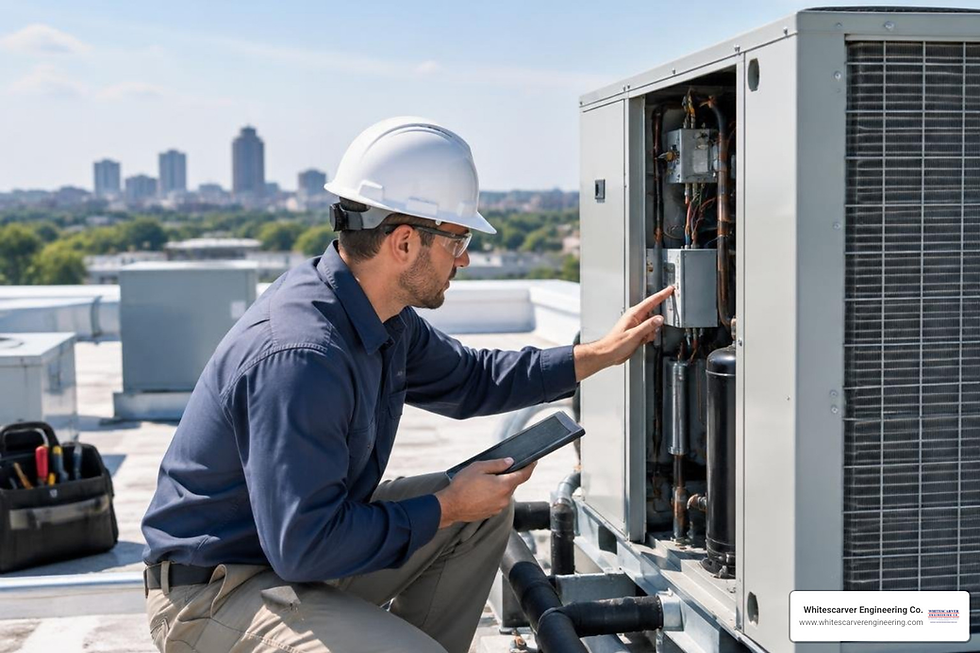
For facilities that depend on manufacturing operations — including food processing plants, industrial production floors, and energy facilities — the reliability of your supporting systems, including HVAC and refrigeration infrastructure, is just as critical as the equipment on your production line.

Global Leaders and Top US Manufacturing Companies

The landscape of the world's largest manufacturing companies is often defined by the Fortune Global 500, which ranks organizations based on their total revenue. In 2026, we see a continued dominance of traditional heavy industries alongside high-tech giants. Historically, companies like Exxon Mobil Corp. have held the top spot in the Petroleum & Coal Products sector, illustrating the massive scale required to fuel global industry.
In the United States, the aerospace sector is a massive driver of economic activity. Boeing, for instance, remains a global leader, employing more than 10,000 people. They don't just build planes; they design complex commercial and defense vehicles that require intricate supply chains and highly specialized Industrial Process Systems to maintain their production environments.
Revenue Rankings and Sector Dominance
When we look at the giants of American manufacturing, the diversity of the industries is striking. From the fuel that powers our logistics to the vehicles that move us, these companies represent trillions of dollars in economic output.
Company Name | Primary Industry | Key Focus Area |
Exxon Mobil | Petroleum Products | Refining and Chemicals |
Apple | Computers & Electronics | Consumer Tech and Hardware |
General Motors | Motor Vehicles | Automotive and EV Innovation |
Ford Motor Co. | Motor Vehicles | Truck and Fleet Production |
General Electric | Electrical Equipment | Power, Renewable Energy, and Aviation |
Dominant Sectors for Manufacturing Companies
While the "Big Five" often take the headlines, several other sectors are currently dominating the market in 2026:
Computers & Electronics: This sector sees the highest frequency of top-ranked companies, driven by the constant demand for semiconductors and consumer hardware.
Food Processing: Companies in this space manage massive logistics networks and require specialized refrigeration to ensure product safety.
Chemical Manufacturing: From industrial coatings to agricultural fertilizers, this sector is a quiet giant.
Pharmaceuticals: High-precision manufacturing that demands 100% uptime and strict environmental controls.
Industrial Machinery: The tools that make the other tools—everything from CNC machines to massive presses.
Capabilities of Leading Manufacturing Companies
Modern manufacturing companies are no longer just "shops." They are high-tech hubs utilizing:
CNC Machining: High-precision computer-controlled cutting for parts with tolerances tighter than a human hair.
Precision Forging: Utilizing massive presses (some exerting 100 million pounds of pressure) to create structural components.
Automated Assembly: Robotic cells that work 24/7 to increase output and reduce human error.
AI-Powered Sourcing: Platforms that use algorithms to find the best supplier for a specific part in seconds.
ISO Certifications: Standardized quality management systems (like ISO 9001 and AS9100D) that ensure every part meets global safety standards.
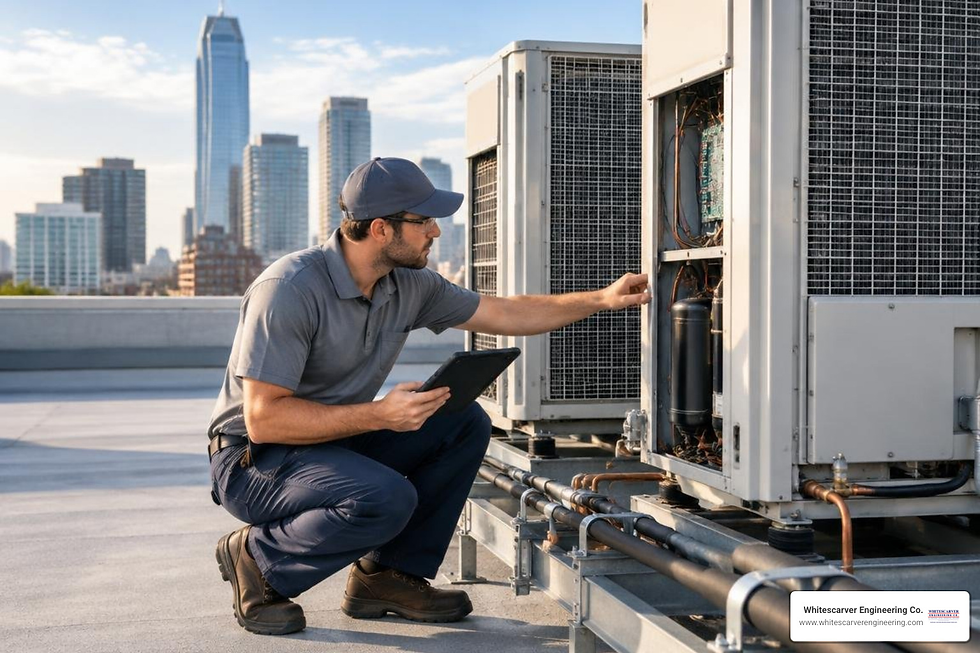
For these capabilities to function, the facility itself must be optimized. This is where Industrial Process Systems become vital, ensuring that the heat generated by massive machinery is managed and that sensitive electronics are kept in stable environments.
Specialized Contract and Custom Manufacturing Solutions
Not every company needs to own a massive factory. Many of the most innovative products today are built through contract and custom manufacturing companies. These partners provide the scale and expertise that allow brands to bring products to market without building their own production lines from scratch.
Companies like NEP and HyPro have set the standard for what a modern contract manufacturer looks like. NEP, for example, operates over 1 million square feet of production space and produces more than 15 million parts annually. They handle everything from metallurgy and casting to final assembly, serving demanding sectors like heavy-duty trucking, oil and gas, and rail.
Similarly, HyPro operates across five U.S. facilities, emphasizing a "data-driven factory" model. By using IoT and cloud analytics, they maintain equipment uptime north of 95%, ensuring that their clients' supply chains are never interrupted. When looking for the Top Industrial Process Systems Company in Roanoke VA, facility managers often look for the same level of reliability in their HVAC and cooling infrastructure.
The Rise of On-Demand Platforms
Platforms like Xometry have revolutionized the industry by creating a global network of certified suppliers. By using AI for instant quoting, they allow engineers to upload a design and receive a production plan in minutes. This "on-demand" model is perfect for:
Prototyping: Getting a single part to test a new design.
High-Volume Production: Scaling up once a design is finalized.
Collaborative Design: Working with engineers to tweak tolerances and substitute materials to save 10-20% on production costs before the first part is even made.
Kay Manufacturing and Allis Manufacturing also exemplify this specialized approach. Kay Manufacturing uses unconventional training—like NASCAR-style pit stop competitions—to reduce machine changeover times to under ten minutes. Meanwhile, Allis Manufacturing, based in the "Machine Shop of the World" (Milwaukee), provides everything from large-scale machining to complex repair and rebuild services for the power grid and food processing industries.
Regional Industrial Hubs and Economic Development
Manufacturing isn't just a global game; it’s a regional one. In Virginia, we see how local expertise drives the economy, but other regions like Auburn, Alabama, and Terre Haute, Indiana, provide excellent case studies in how dedicated industrial parks can foster growth.
In Auburn, a diversified industrial base of 43 technology-based firms employs nearly 4,400 people. These firms aren't just making generic parts; they are producing jet engine components, EV battery materials, and specialized pharma packaging. This success is built on a foundation of workforce development and high-tech recruitment.
Terre Haute, Indiana, shows a similar strength in niche markets. Large employers like Amcor (packaging) and Great Dane Trailers (logistics equipment) anchor the local economy. These facilities require massive amounts of energy and climate control. For businesses operating in our region, knowing which Companies That Install Industrial Heating and Cooling Systems in Virginia are available is the first step in building a sustainable local operation.
Regional economic efforts often focus on "value-added" production—taking a raw material and performing multiple complex steps (like machining, heat treating, and painting) in one location to increase the product's worth before it ships.
Critical Infrastructure and Industrial Process Systems
Some manufacturing companies operate at a level of criticality where failure is not an option. Precision Castparts Corp. (PCC) is a prime example. They manufacture the world’s largest diameter investment castings (76 inches!) and provide the fasteners that hold modern aircraft together. In fact, it takes an average of 300,000 PCC fasteners to assemble a single commercial plane.
When you are manufacturing components for aerospace, power generation, or the oil and gas industry, the environment must be perfectly controlled. PCC Metals has developed over 75% of the nickel alloys used in the oil and gas industry, a feat that requires precise thermal management during the alloying process.
This is where the distinction between different types of cooling becomes apparent. For instance, understanding the Industrial Refrigeration vs Commercial Refrigeration Difference is essential for any facility manager. While commercial systems might keep a walk-in cooler cold, industrial systems are integrated into the production process itself, cooling massive machinery or maintaining the specific temperatures required for chemical reactions.
For those operating in our area, consulting an Industrial Refrigeration Engineering Design Contractor in Roanoke VA ensures that these critical systems are designed for the specific rigors of heavy manufacturing. Our Industrial Commercial Refrigeration Roanoke Guide provides further insights into how these systems support the heavy industries that keep Virginia moving.
Frequently Asked Questions about Manufacturing
What are the largest manufacturing companies by revenue in 2026?
As of April 2026, the leaders remain concentrated in the energy, technology, and automotive sectors. Exxon Mobil continues to lead in revenue for petroleum products, while Apple dominates the electronics space. Automotive giants like GM and Ford remain in the top five, alongside General Electric, which has a massive footprint in both power generation and aerospace.
How do contract manufacturers support the aerospace and defense sectors?
Contract manufacturers like Precision Castparts Corp. and NEP provide highly specialized components—such as airfoil castings and heavy-duty structural parts—that the primary OEMs (Original Equipment Manufacturers) like Boeing or Lockheed Martin may not produce in-house. These contractors often hold specialized certifications (AS9100D) and utilize advanced metallurgy to meet the extreme safety and durability standards required for flight.
What role do industrial process systems play in large-scale manufacturing?
Industrial process systems are the "life support" for a factory. They include the HVAC systems that keep the air clean and at the right temperature for sensitive electronics, as well as the refrigeration systems that cool down high-speed CNC spindles or preserve chemical stability in pharmaceutical production. Without these systems, modern high-precision manufacturing would be impossible due to heat buildup and environmental contamination.
Conclusion
At Whitescarver Engineering Co., we understand that manufacturing companies in Roanoke, VA, and the surrounding regions need more than just a repairman; they need a technical partner. Since 1937, we have provided the industrial HVAC and refrigeration expertise that keeps local production lines running. Whether it's a New Industrial Process Systems Installation in Roanoke VA or ongoing maintenance for a food processing plant, our team is dedicated to second-to-none technical solutions.
We pride ourselves on our long heritage and our BBB A+ accreditation, which we’ve held since 1974. For facility managers and industrial operations leaders, we offer 24/7 commercial service and comprehensive maintenance agreements designed to reduce energy costs and prevent downtime.
If you are looking for the Best Industrial Refrigeration Roanoke VA Contractor or need to consult with the Top Industrial Process Systems Company in Roanoke VA, we are here to help. Let us manage your Industrial Process Systems so you can focus on what you do best: building the future.

Comments