
The Facility Manager's Survival Guide to Industrial HVAC Basics
Why Industrial HVAC Basics for Facility Managers Can Make or Break Your Operation

Industrial HVAC basics for facility managers cover everything from understanding how large-scale heating and cooling systems differ from commercial office systems, to knowing when a strange noise means a minor fix or a major failure. If you manage a manufacturing plant, warehouse, or processing facility in Virginia, your HVAC system is not just about comfort — it is directly tied to equipment uptime, worker safety, product quality, and energy costs.
Here is a quick-reference overview of the core areas every facility manager needs to understand:
System scope: Industrial HVAC handles continuous, heavy-duty loads — including process cooling — not just occupant comfort
Key components: Chillers, cooling towers, air handling units, compressors, boilers, makeup air units, and control systems
System configurations: Centralized, decentralized, or hybrid layouts depending on facility size and zoning needs
Maintenance priorities: Regular filter changes, coil cleaning, refrigerant leak checks, belt inspections, and sensor calibration
Regulatory compliance: ASHRAE 62.1 and 90.1, EPA Section 608, OSHA ventilation requirements
Warning signs: Short cycling, hissing or booming noises, sudden energy spikes, poor airflow, or unexplained temperature swings
Technology: Building Automation Systems (BAS), Variable Frequency Drives (VFDs), and AI-driven diagnostics to reduce waste and prevent failures
According to industry data, HVAC systems can account for 40 to 60 percent of total energy consumption in large industrial facilities. That means a poorly maintained or improperly configured system is not just an operational headache — it is a direct hit to your bottom line. In fact, research shows that a layer of dirt as thin as 0.042 inches on condensing coils alone can drop cooling efficiency by 21 percent.
This guide walks through everything facility managers need to know to keep industrial HVAC systems running reliably, efficiently, and in full compliance.

Industrial vs. Commercial: Defining the Operational Scope
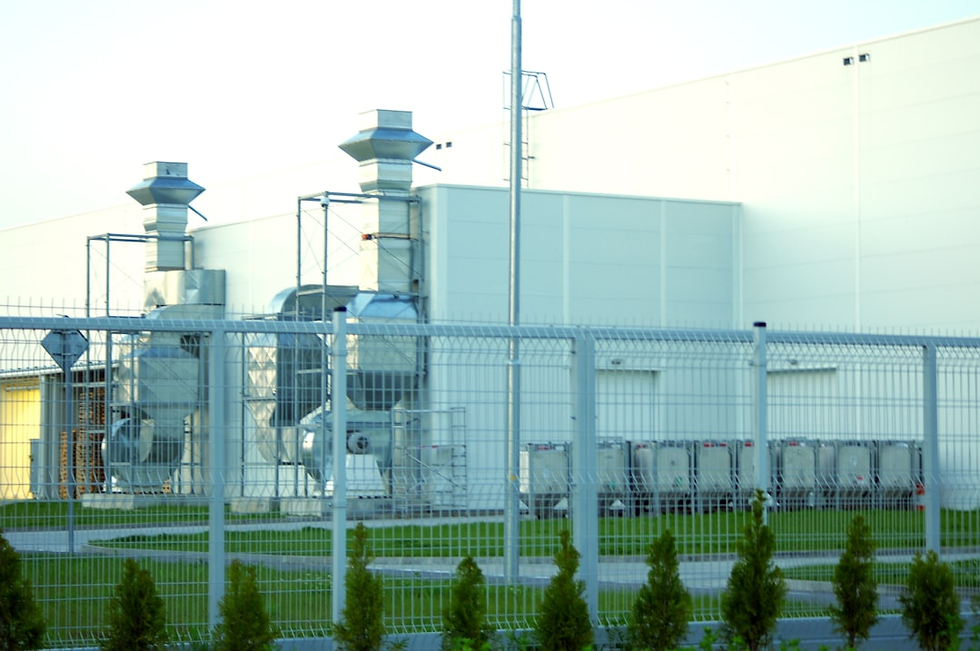
When we talk about industrial hvac basics for facility managers, the first hurdle is distinguishing between commercial and industrial applications. While both aim to regulate temperature, the stakes and the "why" behind the operation are vastly different.
Commercial HVAC is primarily designed for occupant comfort. It operates on predictable schedules (like 9-to-5 office hours) and manages relatively stable heat loads. In contrast, industrial HVAC is built for endurance and precision. These systems often run 24/7/365 because they are integral to the manufacturing process itself.
Key differences include:
Process Cooling vs. Comfort Cooling: In an industrial setting, the HVAC system might be responsible for removing the massive heat generated by heavy machinery or maintaining a specific ±1°F tolerance for pharmaceutical production.
Scale and Tonnage: While a large office building might use Commercial HVAC Systems ranging from 10 to 50 tons, industrial facilities often utilize chilled water plants that exceed 2,000 tons to manage heavy heat loads.
Environmental Tolerances: Industrial environments often deal with dust, chemical fumes, and high-velocity airflow requirements that would overwhelm a standard commercial unit.
Core Components and Industrial HVAC Basics for Facility Managers
Understanding the "anatomy" of your system is crucial for effective management. In Virginia's varied climate—from humid Roanoke summers to freezing winters—these components must work in perfect harmony.
The Heavy Hitters: Chillers, Boilers, and Towers
The heart of most industrial systems is the central plant. This usually includes:
Chillers: These are the workhorses of industrial cooling. You’ll typically choose between Air-Cooled vs Water-Cooled Commercial Chillers. Water-cooled versions are often more efficient for very large loads but require a cooling tower and more intensive maintenance.
Cooling Towers: These dissipate heat from the water-cooled chiller into the atmosphere.
Boilers: Used for large-scale heating or to provide steam for industrial processes.
Moving the Air: AHUs and Makeup Air
Air Handling Units (AHUs): These distribute conditioned air throughout the facility. In industrial settings, these are often custom-built with stainless steel to resist corrosion.
Makeup Air Units (MAUs): Because industrial processes often exhaust large amounts of air (to remove fumes or dust), MAUs are essential to bring in fresh outside air and maintain proper building pressure.
Comparing System Configurations
Deciding how to lay out these components depends on your facility's specific needs:
Configuration | Best For | Pros | Cons |
Centralized | Large, open warehouses | Maximum efficiency, easier to maintain one central plant | High initial cost, single point of failure |
Decentralized | Facilities with varying zones | Flexibility, redundancy (if one unit fails, others work) | More units to maintain, can be less efficient |
Hybrid | Multi-use industrial spaces | Balances efficiency with localized control | Complex control systems required |
Preventive Maintenance and System Longevity
In industrial management, "if it ain't broke, don't fix it" is a dangerous philosophy. Routine maintenance isn't just an expense; it’s an investment that lowers repair costs and improves energy efficiency. Statistics show that preventative maintenance can lower energy costs by 5% to 40%.
Regional Challenges: Salt Air and Humidity
For facilities in the Roanoke and New River Valley regions, we face specific environmental factors. High humidity can lead to clogged drain lines and biological growth on coils. If you are closer to the coast, salt air corrosion can eat through standard aluminum fins in a matter of years. Using protective coatings and regular coil cleaning is essential for longevity.
Warning Signs of Failure
Facility managers should be on high alert for these common red flags:
Short Cycling: The unit turns on and off rapidly. This is often a sign of an oversized unit, a failing thermostat, or a refrigerant leak.
Unusual Noises: Hissing usually indicates a gas or refrigerant leak, while booming or thudding can signal ignition issues or mechanical failure in the blower.
Sudden Energy Spikes: If your utility bill jumps without a change in production, your HVAC is likely working overtime to compensate for dirty coils or failing compressors.
When these issues arise, you must decide When to Retrofit vs Replace Commercial HVAC System. Often, a retrofit—upgrading specific components like fans or controls—can add years of life to a system without the cost of a full replacement.
Essential Industrial HVAC Basics for Facility Managers: The Maintenance Checklist
To stay ahead of failures, follow a structured Commercial HVAC Maintenance Guide Roanoke VA. We recommend the following cadence:
Daily: Check the Building Automation System (BAS) for alerts and monitor sensor readings for temperature or pressure anomalies.
Weekly: Monitor system pressures and inspect outdoor units for debris or vegetation.
Monthly: Replace air filters, especially in high-traffic or dusty manufacturing environments.
Quarterly: Perform Spring Maintenance for Commercial Rooftop Units including belt inspections, lubricating moving parts, and clearing condensate drains.
Annually: Conduct a full combustion analysis on boilers, test all electrical connections, and perform deep coil cleaning.
Learning How to Maintain Commercial HVAC Systems through a dedicated program ensures you never miss these critical steps.
Compliance, Automation, and Future-Proofing
Modern industrial HVAC is becoming increasingly digital. We are no longer just turning wrenches; we are managing data.
The Power of BAS and AI
A Building Automation System (BAS) acts as the brain of your facility. By using Commercial HVAC Controls Explained properly, you can implement "temperature setbacks" during unoccupied hours, saving 5% to 20% on energy. Newer AI-driven diagnostics can even predict a motor failure before it happens by analyzing vibration patterns.
Energy Efficiency and Electrification
With the rise of sustainable technology, many Virginia facilities are looking at heat pumps and geothermal solutions. Implementing Variable Frequency Drives (VFDs) is one of the most effective ways to Reduce HVAC Energy Costs in Commercial Buildings. VFDs allow fans and pumps to run at 60% or 80% capacity rather than 100% all the time, drastically cutting electricity use.
Navigating Regulatory Standards
Compliance isn't optional. There are several ASHRAE Standards Every Facility Manager Should Understand:
ASHRAE 62.1: This governs ventilation for acceptable indoor air quality (IAQ). In an industrial setting, this is vital for worker health.
ASHRAE 90.1: This is the benchmark for energy efficiency. Understanding ASHRAE 90.1 Energy Efficiency Standard Explained helps you stay compliant with Virginia's evolving energy codes.
EPA Section 608: This mandates how you handle refrigerants. For systems with more than 50 lbs of refrigerant, you must repair leaks within 30 days if they exceed specific thresholds (30% for industrial refrigeration).
Proper planning ensures you know How ASHRAE Standards Affect Commercial HVAC Design when it comes time for a system upgrade.
Frequently Asked Questions about Industrial HVAC
What are the primary signs of industrial HVAC failure?
The most common signs include short cycling, unexplained energy spikes, and poor airflow. However, noises are often the first clue. A "symphony" of buzzing, hissing, or thudding usually means mechanical or electrical components are reaching their end of life. For a deeper look at local issues, see our Commercial HVAC Roanoke VA Guide.
How does process cooling differ from comfort cooling?
Comfort cooling is for people; process cooling is for production. Process cooling requires 24/7 stability and much tighter tolerances. When choosing equipment, the Air Cooled Chiller vs Water Cooled Chiller Efficiency debate often centers on how much process heat needs to be removed and the availability of water on-site.
When should a facility manager choose a hybrid HVAC configuration?
A hybrid system is ideal when your building has split needs—for example, a large warehouse attached to a block of high-density offices. It allows you to use a centralized chiller for the warehouse while using decentralized VRF units for the offices. Choosing Between Air and Water Cooled Chillers for Your Building is often the first step in designing these hybrid layouts.
Conclusion
Mastering industrial hvac basics for facility managers is a journey, not a destination. With the right knowledge and a proactive approach, you can transform your HVAC system from a "silent drain" on resources into a strategic asset that supports your facility's productivity and safety.
At Whitescarver Engineering Co., we’ve been the trusted partner for Virginia businesses since 1937. With over 75 years of experience and an A+ BBB accreditation, we specialize in custom industrial HVAC projects, refrigeration engineering, and energy-conservation solutions. Whether you need a comprehensive maintenance agreement or 24/7 emergency service in the Roanoke Valley, our team is ready to provide second-to-none technical expertise.


Comments